


Ghana, the Gateway to Africa

The World Bank’s 9th Economic Update for  Ghana titled Addressing Labor Market Challenges
and Opportunities in Ghana’s Economic Landscape notes Ghana’s economy displayed resilience
with strong growth of 5.7 percent in 2024 and continued growth in the first quarter of 2025 of 5.3
percent. The Update also highlights Ghana’s notable progress towards completing its debt
restructuring, subsiding inflation, and strong reserve accumulation supported by robust trade
performance.

Point 1

Political Stability and Economic Certainty

Ghana’s environment offers a level of political stability and regulatory certainty that significantly de-risks large-scale Foreign Direct Investment (FDI) when compared to many other emerging markets.

The country is renowned for its peaceful atmosphere, which is paramount for the long-term execution of capital-intensive infrastructure projects

This stability allows investors, like TFI Group, to secure high-level sovereign partnerships, such as the alliance with the Minerals Income and Investment Fund (MIIF) for the AfricaVolt lithium initiative, effectively de-risking resource supply and ensuring government buy-in for major national projects.

Point 2

Strategic Market Access and Logistical Nexus

Ghana is strategically positioned to serve as the logistical and commercial gateway for West Africa and the broader continent:

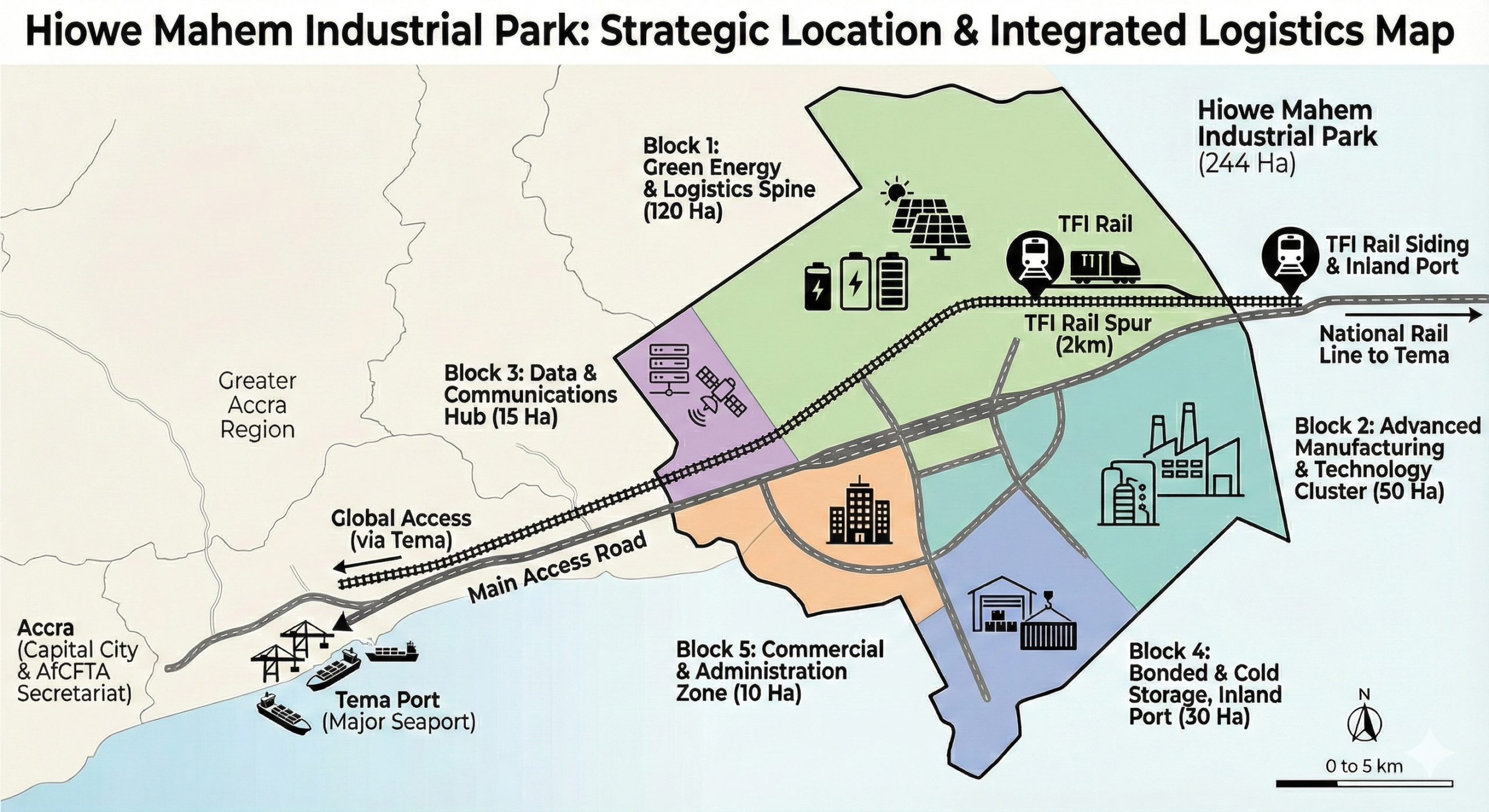
Ghana hosts the Secretariat of the African Continental Free Trade Agreement (AfCFTA). This places the country at the center of a newly integrated 350-million-person market, making investments in production and logistics—like TFI Group’s Hiowe Industrial Park (FEZ)—the optimal strategy for accessing this scale.

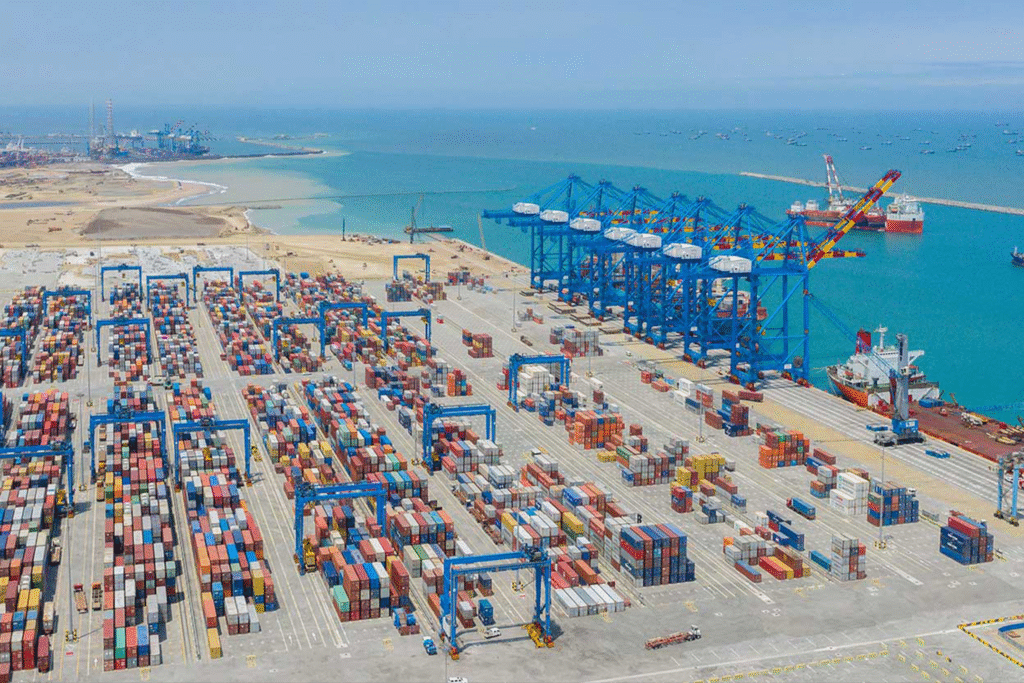
The Hiowe FEZ is engineered to guarantee efficiency, offering dedicated rail access to the Tema Seaport. This logistical corridor optimization reduces supply chain friction, reinforcing Ghana’s role as an efficient export hub for manufacturing and resource processing.

Point 3

Opportunity In Green Transition and High-Value Industrialization

Ghana’s economy is undergoing a powerful transition, offering highly profitable opportunities aligned with global ESG mandates:

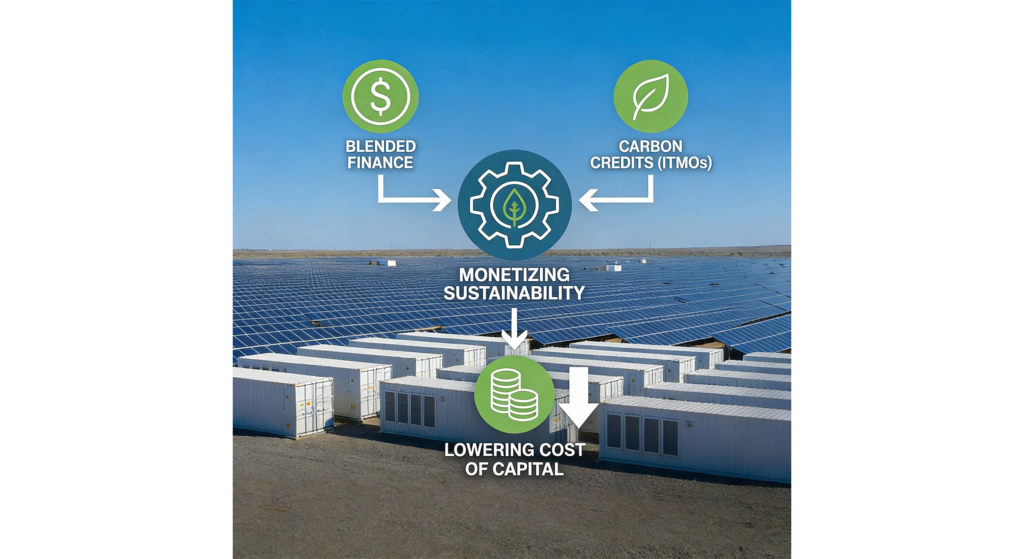
TFI Power’s success in deploying solar and BESS (Battery Energy Storage System) projects demonstrates the viability of clean energy investment. The model monetizes sustainability by utilizing blended finance and carbon credit (ITMOs) monetization, effectively lowering the cost of capital for multi-million-dollar energy assets.

The AfricaVolt initiative to process lithium into advanced battery components moves the economy beyond low-margin commodity export. This strategic integration into the global EV supply chain aligns with Ghana’s Green Minerals Policy and creates a high-yield industrial base.

TFI Group’s commitment is to projects that accelerate socio-economic development and create employment and wealth for local communities. This strong social license further supports project longevity and stability, offering a decisive advantage over investments in less socially integrated regions.

    Ghana’s combination of political maturity, logistical advantage, and a dedicated shift toward value-added, sustainable industry makes it the premier investment thesis for long-term capital seeking superior, de-risked returns in Africa.

    A Foundation of Certainty. 

    The Ghanaian operating environment is underpinned by a high degree of institutional stability and robust governance. This predictability effectively mitigates the non-commercial risks typically associated with major infrastructure investments in emerging markets, providing a critical layer of confidence for long-term project viability.

    Risk Mitigation

    Ghana’s environment offers a level of political  and regulatory certainty that significantly de-risks large-scale Foreign Direct Investment (FDI) when compared to many other emerging markets.

    Aligning with National Targets

    • Ghana’s total installed power capacity stands at ~5,260 MW, defining the overall market TFI operates in.
    • The national energy mix is 66% thermal and 33% hydro, showing the need for solar diversification.
    • On-grid solar capacity is roughly 152 MW (2023), meaning TFI’s planned 82 MWp would create a major immediate boost.
    • Ghana targets 1,382.7 MW of solar by 2030, demonstrating strong long-term government support.